If you’ve ever found yourself frantically searching for that elusive saved card on your iPhone, you’re not alone. It’s like playing hide and seek with your wallet—except your wallet has a PhD in camouflage. Luckily, finding those saved cards is simpler than you think.
Understanding Saved Cards on iPhone
Saved cards on an iPhone store essential payment information for quick access during transactions. Users typically access these cards in various apps and services, including Apple Pay, the Wallet app, and specific shopping apps. Locating saved cards often involves navigating through the device’s settings.
To start, open the Settings app. Scroll down to find Wallet & Apple Pay. Within this menu, users can view their saved cards. Each listing shows the last four digits of the card number, making it easier to identify each card.
Apple Pay settings also allow users to manage their payment methods. Add new cards by tapping Add Card and following prompts to input card details. Users benefit from this feature, as it provides a secure way to make purchases without exposing full card numbers.
In addition, stored cards in shopping apps are sometimes separate from those in Wallet. Each app may require users to manage cards individually. Paypal, Amazon, and other payment platforms generally provide their own card management options within their settings.
Retrieving saved cards for online shopping is straightforward. Users usually find saved cards displayed during checkout processes. Make certain to check each app for a “Payment Methods” or “Saved Cards” section.
Understanding where saved cards reside allows users to streamline payment experiences. Remembering this focus on each app’s individual settings helps maintain organization. By knowing where to look, users simplify the process of managing their saved cards on an iPhone.
Accessing Saved Cards in Apple Wallet
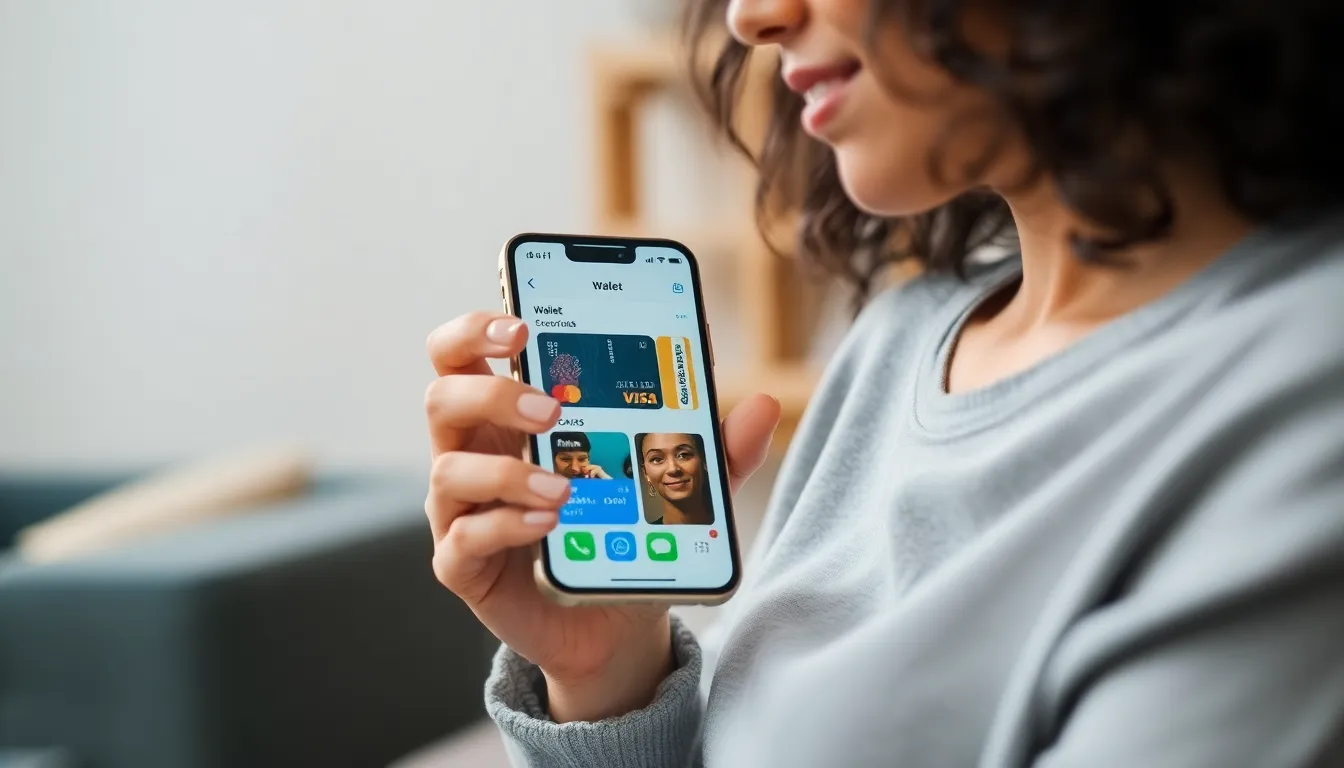
Accessing saved cards is straightforward and helps streamline payments. Users can add or view their cards through the Wallet app or Settings.
Adding New Cards
To add a new card, launch the Wallet app. Press the plus sign (+) and follow the prompts. Users can either scan their card or enter details manually. After entering the information, tap “Next” to verify the card with the bank. Upon approval, the card becomes accessible for payments. Making sure to keep the information updated ensures a seamless transaction experience.
Viewing Saved Cards
Viewing saved cards occurs mainly through the Wallet app or the Settings. In the Wallet app, users tap on the card thumbnail to see more details. Within the Settings app, navigating to Wallet & Apple Pay shows all saved cards, including their last four digits. Identifying cards in this manner simplifies selection during transactions. Regularly checking saved cards helps maintain organized payment options, enhancing overall efficiency.
Locating Saved Cards in Safari
Finding saved cards in Safari ensures quick payments during online shopping. Users can easily manage their payment options by following specific steps.
Managing Autofill Information
To manage autofill information, users should access the Settings app first. Selecting Safari leads to the AutoFill section next. Here, users can view or edit the contact information, credit cards, and other autofill settings. If any card details are outdated, tapping on a specific entry allows for updates or deletions. Ensuring accurate card information prevents issues at checkout. Users benefit from a streamlined autofill experience by regularly reviewing these settings.
Deleting Saved Cards
Deleting saved cards is straightforward. Users must navigate to the Wallet app initially. By selecting the card they wish to remove, they then find the option to delete. Confirming the deletion ensures the card is no longer stored for future use. Keeping only necessary cards helps maintain organized payment options. Regularly checking the list of saved cards aids in managing finances effectively.
Security Features for Saved Cards
iPhone users benefit from robust security features for saved cards. Apple emphasizes protection through encryption, which safeguards payment information during transactions. Biometric authentication, such as Face ID or Touch ID, ensures only authorized users access saved cards. Significant data protection prevents unauthorized access to sensitive information, maintaining user confidence in digital payments.
Using the Wallet app, users can easily manage these security settings. Users can enable or disable features, adjusting security measures to their preference. In addition, two-factor authentication enhances security by requiring a second form of verification for account access. This process adds an extra layer of protection, especially for users storing multiple cards.
Regular updates from Apple further bolster security measures. Updates often include enhancements that protect against emerging threats, keeping user information secure. Users should always install these updates promptly to maximize their device’s security framework.
Notifications alert users of any suspicious activity, enabling them to respond quickly to potential threats. This proactive approach ensures user accounts remain secure from fraudsters. If a card becomes compromised, users can easily remove it from their wallet, preventing unauthorized transactions.
Educating oneself about security settings contributes to safer digital transactions. Users who understand the features available to them can better protect their financial information. Overall, iPhone’s security features for saved cards provide a comprehensive approach to protecting sensitive payment data.
Finding saved cards on an iPhone doesn’t have to be a frustrating experience. By utilizing the Wallet app and the Settings menu users can quickly access and manage their payment information. Regularly updating saved cards and reviewing security settings ensures a seamless and secure payment process.
With the right knowledge users can streamline their transactions and enhance their overall experience. Keeping track of saved cards not only simplifies online shopping but also helps in managing finances more effectively. Embracing these tools empowers users to take control of their digital wallets with confidence.